
Asia’s Robotics Divide: China Surges Ahead as South-east Asia Takes a Measured Approach
China is rapidly advancing in embodied AI and humanoid robotics, with commercial rollout expected by 2026. Meanwhile, South-east Asia continues to rely on proven industrial robots, constrained by labour economics and regulatory gaps. Experts predict that while humanoid robots may dominate global factory floors by 2034, South-east Asia’s adoption will remain focused on scalable, task-specific automation for now.

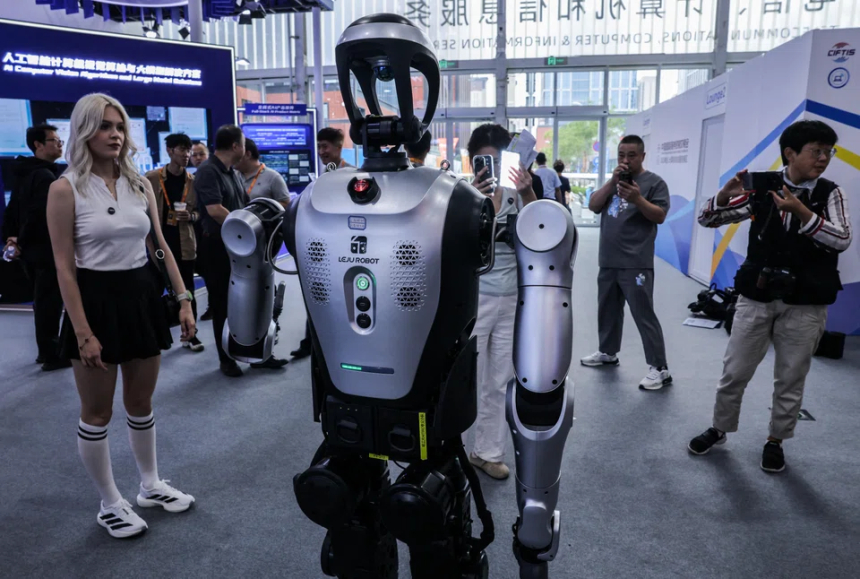
Embodied AI Nears Breakthrough as China Leads the Charge
Nvidia CEO Jensen Huang predicts that 2026 will be a turning point for physical AI, with humanoid robots capable of human-like movement and dexterity entering commercial production. These “embodied AI” systems are expected to revolutionize industries by translating visual and language inputs into real-world actions.
China’s Robotics Momentum
China now manufactures over 55% of the world’s robots. Its humanoid robot sector is gaining global attention, with companies developing machines that mimic human anatomy to navigate complex environments. Analysts expect humanoid robots to surpass industrial robots in factory settings by 2034. However, Chinese regulators have cautioned against overinvestment, warning of potential bubbles in frontier tech.
The Challenge of Human-Like Tasks
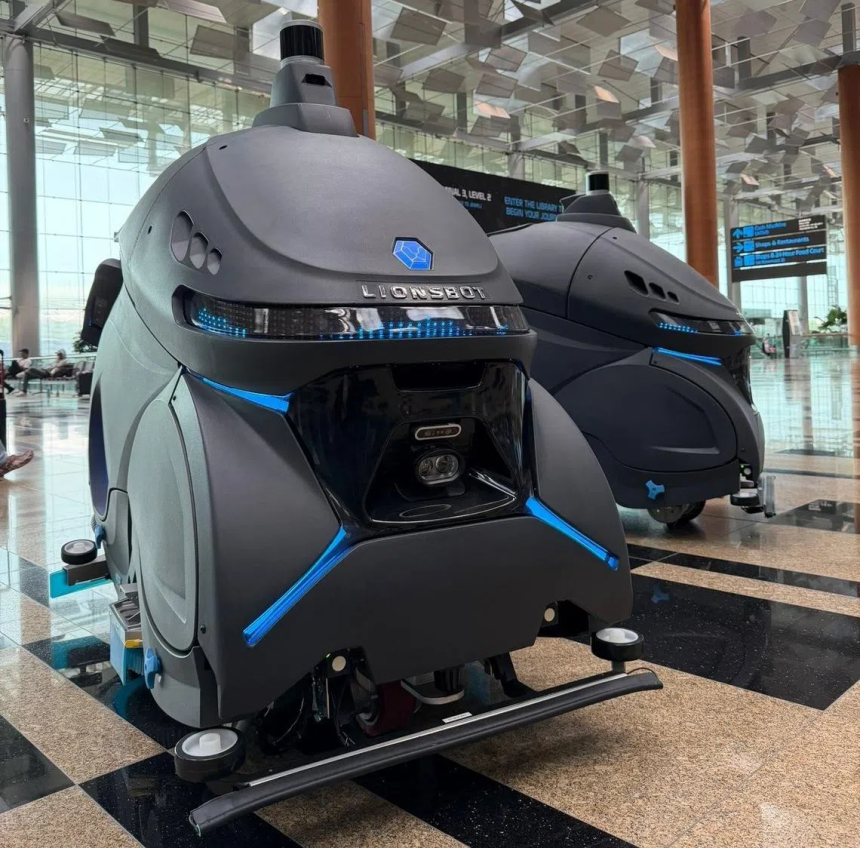
Despite rapid progress, experts like Raphael Yee of Lionsbot note that robots still struggle with tasks humans find simple — a phenomenon known as Moravec’s paradox. While humanoids can climb stairs and navigate human infrastructure, fine motor tasks like gentle handling remain difficult.
South-east Asia’s Cautious Adoption
South-east Asia has long used industrial robots, especially in electronics and automotive manufacturing. Epson’s Vivekanand Patil highlights Vietnam and Thailand as automation hubs, with widespread use of Scara and six-axis robots. However, embodied AI adoption is slow due to high capital costs, labour availability, and regulatory gaps.
Labour Economics Drive Decisions
Countries like Singapore, facing labour shortages, may adopt humanoid robots sooner. In contrast, regions with abundant low-cost labour delay automation. Lionsbot’s European clients report high turnover and labour scarcity, making robots more viable there than in South-east Asia.
Regulatory and Cost Barriers
Companies like C-Leanship and Neptune Robotics face challenges in South-east Asia due to loose safety regulations and price competition. Without stronger oversight, robotic systems struggle to compete with traditional human labour, especially in high-risk sectors like underwater cleaning.
The Road Ahead
Patil believes robotics adoption in South-east Asia is inevitable as global manufacturers shift operations to the region. The goal, however, is not to replace humans but to build collaborative systems that enhance productivity and address skill gaps sustainably.
Share
What's Your Reaction?
 Like
0
Like
0
 Dislike
0
Dislike
0
 Love
0
Love
0
 Funny
0
Funny
0
 Angry
0
Angry
0
 Sad
0
Sad
0
 Wow
0
Wow
0