
#NipahOutbreak2026: Asia Triggers "Covid-Style" Airport Screenings Over India Cluster
Nipah virus alert! Asia reintroduces airport screenings as West Bengal reports new cases. Learn about Nipah symptoms, fatality rates, and the latest travel guidelines for 2026.

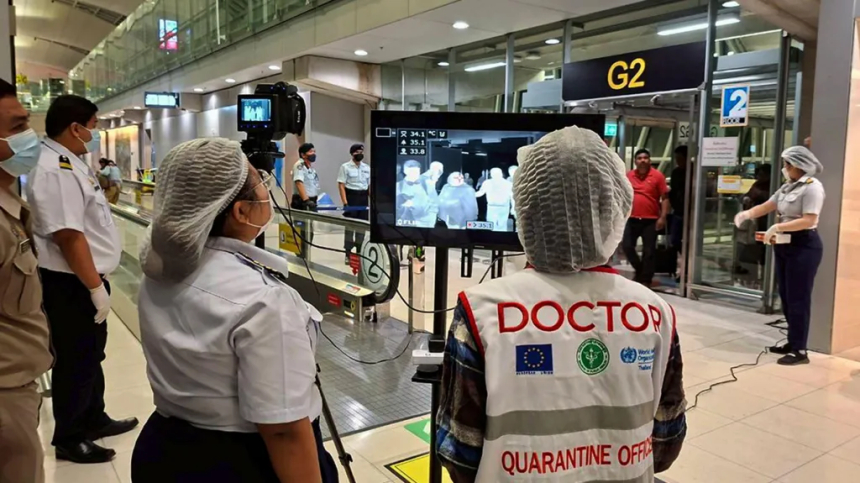
The start of 2026 has brought a familiar sense of unease to Asian travel hubs. A localized but lethal outbreak of the Nipah Virus (NiV) in West Bengal, India, has forced several nations to reinstate strict health protocols. While the Indian Health Ministry maintains the situation is "contained," the high fatality rate of the virus—estimated between 40% and 75%—has put Thailand, Nepal, and Taiwan on high alert.
#AirportScreening: Thailand and Nepal Lead Global Response
As of January 28, 2026, authorities in Thailand have begun intensive thermal screening at Suvarnabhumi, Don Mueang, and Phuket airports for all passengers arriving from Kolkata. Travelers are being issued "Health Beware Cards," a proactive measure to ensure rapid isolation if symptoms appear within the 21-day incubation window.
Similarly, Nepal has fortified its borders. From the busy gates of Kathmandu’s Tribhuvan International Airport to the land border crossings in Koshi Province, health desks are now a mandatory stop for anyone entering from India.
#WestBengalNews: Healthcare Workers on the Frontlines
The current cluster, centered in Barasat (near Kolkata), has sparked particular concern due to nosocomial transmission (hospital-based spread). Two nurses at a private facility tested positive after treating a patient with severe respiratory distress.
-
The "Index Case" Mystery: Officials believe the virus likely spilled over from fruit bats via contaminated food before reaching the hospital setting.
-
The Quarantine Net: While 180 contacts have tested negative so far, the 21-day observation period remains critical to prevent a wider community breakout.
Nipah Virus vs. Covid-19: A Quick Comparison
| Feature | Nipah Virus (NiV) | Covid-19 (SARS-CoV-2) |
| Transmission | Zoonotic (Bats/Pigs), Contaminated Food | Respiratory Droplets, Airborne |
| Fatality Rate | 40% - 75% (Extremely High) | ~1% - 3% (Variable) |
| Incubation | 4 to 14 days (up to 45 days) | 2 to 14 days |
| Vaccine/Cure | None Approved | Multiple Vaccines Available |
| Primary Risk | Brain Inflammation (Encephalitis) | Respiratory Failure |
#NipahSymptoms: What You Need to Watch For
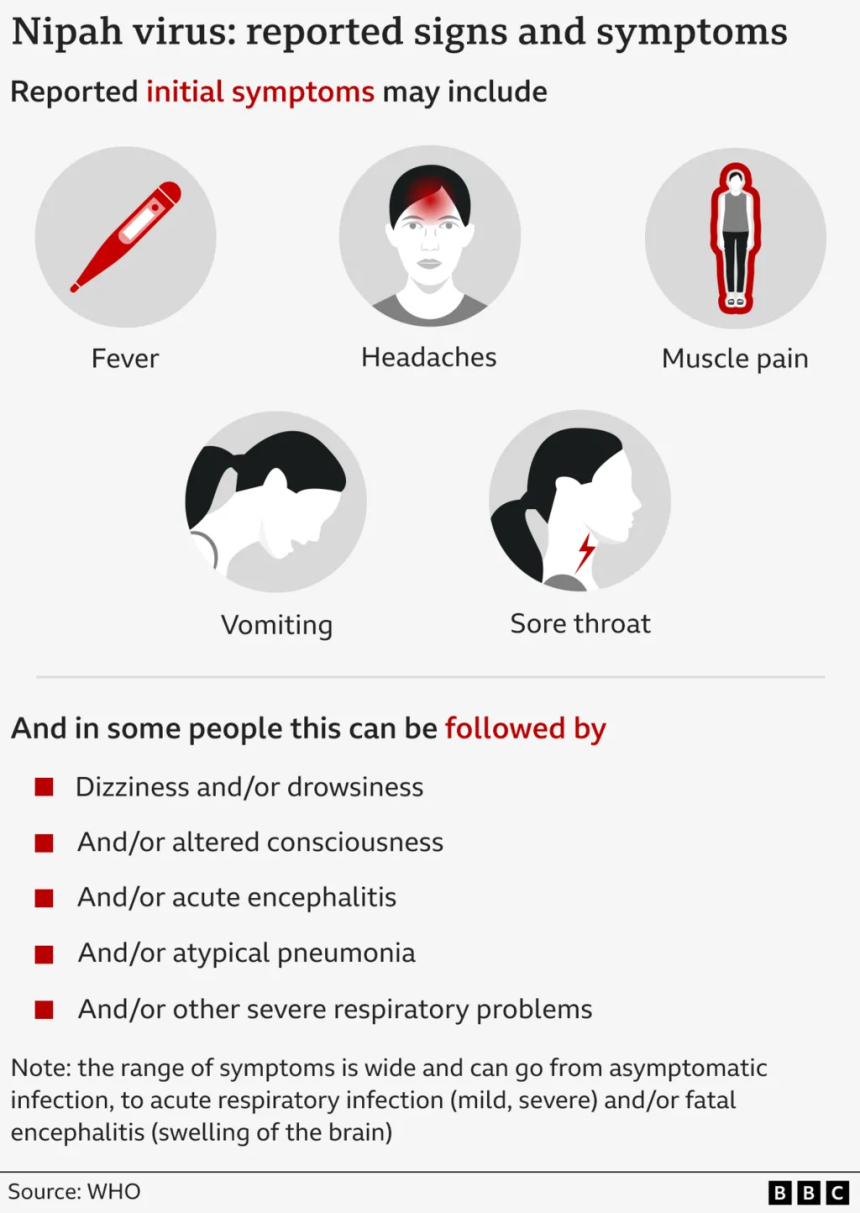
The World Health Organization (WHO) classifies Nipah as a Category 5 priority pathogen. Early detection is the only defense. If you have traveled to West Bengal or Kerala recently, look for these early warning signs:
-
Sudden Fever and debilitating muscle pain (myalgia).
-
Respiratory Distress: Acute cough or sore throat.
-
Neurological Shift: Dizziness, drowsiness, or mental confusion (signs of brain inflammation).
Expert Pro-Tip: "The biggest risk right now isn't just the virus—it's the missed diagnosis. Early symptoms mimic the common flu, which is why travel history is the most important detail to share with your doctor."
Share
What's Your Reaction?
 Like
0
Like
0
 Dislike
0
Dislike
0
 Love
0
Love
0
 Funny
0
Funny
0
 Angry
0
Angry
0
 Sad
0
Sad
0
 Wow
0
Wow
0