Vegetarian vs Non-Vegetarian Diet: Which Fuels Fitness Better?
Vegetarian diets excel in digestion, sustainability, and long-term health, while non-vegetarian diets provide protein convenience and faster recovery. The best choice is the one you can follow consistently while balancing protein, calories, and micronutrients. Fitness is less about diet labels and more about discipline and balance.

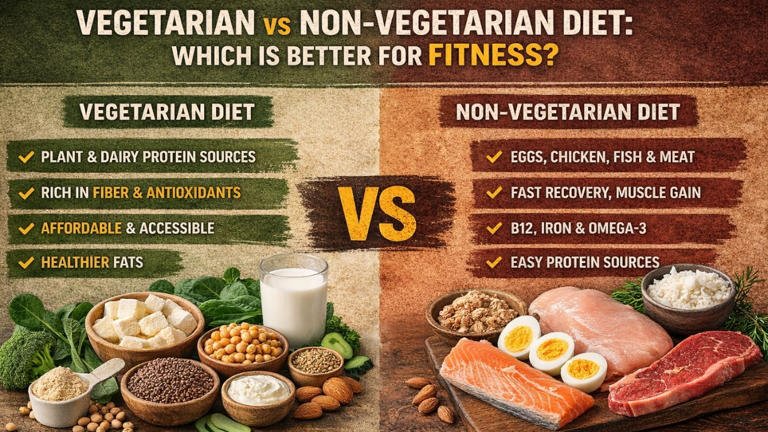
Fitness is shaped not only by workouts but also by diet. One of the most debated topics in gym culture is whether a vegetarian or non-vegetarian diet is more effective for strength, endurance, and overall health. Let’s break down both approaches in a practical way.
Protein Power & Muscle Growth
-
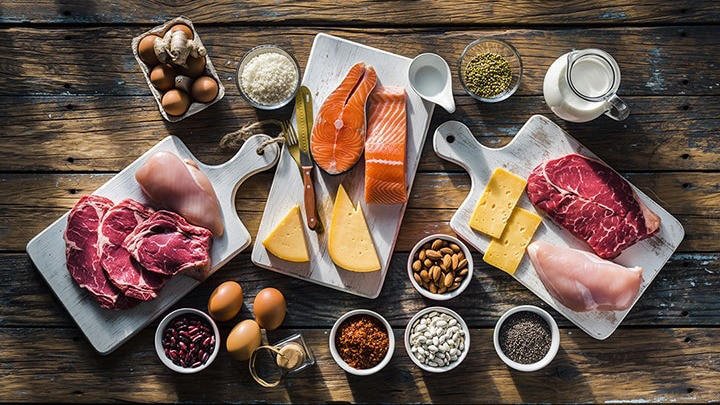
Non-Vegetarian Diet: Eggs, chicken, fish, and meat provide complete proteins with all essential amino acids, making them highly effective for muscle building and recovery.
-
Vegetarian Diet: Relies on dairy and plant sources like paneer, soy, lentils, chickpeas, nuts, and seeds. To achieve complete protein intake, vegetarians must combine different foods strategically. 👉 Non-veg offers convenience, but a well-planned vegetarian diet can match its effectiveness.
Digestion & Energy Levels
-
Vegetarian Diet: High in fiber, supports gut health, and provides steady energy. Lighter on the stomach, ideal for long-term consistency.
-
Non-Vegetarian Diet: Dense in protein, aids quick recovery, but can feel heavy if consumed in excess. 👉 For endurance and daily energy, vegetarian diets often feel cleaner and more sustainable.
Micronutrients & Vitamins
-
Non-Vegetarian Edge: Rich in vitamin B12, heme iron, zinc, and omega-3 fatty acids — crucial for immunity and recovery.
-
Vegetarian Edge: Packed with antioxidants, magnesium, potassium, and phytochemicals that boost heart health and reduce inflammation. 👉 Vegetarians may need B12/iron supplements, while non-vegetarians should monitor saturated fat intake.
Fat Content & Body Composition
-
Vegetarian Diet: Healthier fats from nuts, seeds, and oils — beneficial for heart health and fat control.
-
Non-Vegetarian Diet: Risk of high saturated fat intake, especially from red meat or fried foods. 👉 For fat loss and lean physique, food quality matters more than diet type.
Recovery, Strength & Performance
-
Non-Vegetarian Athletes: Faster recovery due to dense protein sources.
-
Vegetarian Athletes: May need larger food volumes but benefit from reduced inflammation and better joint health. 👉 Both diets can support peak performance if macros are balanced.
Cost & Practicality
-
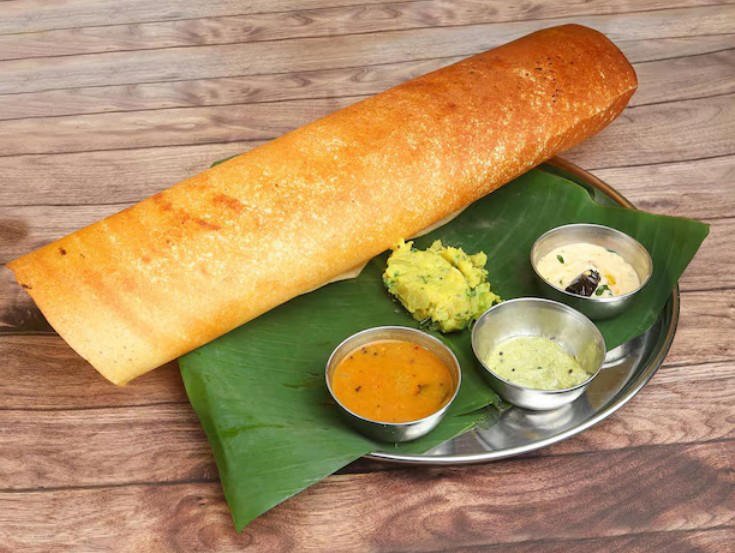
Vegetarian Diet: Affordable and widely accessible in India, especially for students.
-
Non-Vegetarian Diet: Often costlier and dependent on hygiene and quality. 👉 Lifestyle and budget play a big role in long-term adherence.
Which Diet Wins for Fitness?
-
Choose Vegetarian if you prefer plant-based foods, want better digestion, and can plan protein intake.
-
Choose Non-Vegetarian if you want easier access to complete proteins, faster recovery, and focus on muscle gain.
👉 There is no universal “better” diet. Success depends on consistency, discipline, and meeting your nutritional needs.
Share
What's Your Reaction?
 Like
0
Like
0
 Dislike
0
Dislike
0
 Love
0
Love
0
 Funny
0
Funny
0
 Angry
0
Angry
0
 Sad
0
Sad
0
 Wow
0
Wow
0