
What Really Happens to Your Body When You Sleep Less Than Six Hours
Sleeping fewer than six hours a night isn’t harmless — it disrupts metabolism, heart health, brain function, immunity, and hormones. Over time, it raises risks of obesity, diabetes, cardiovascular disease, mood disorders, and even early mortality. Prioritizing sleep is essential for long-term health, performance, and well-being.


In today’s hustle culture, many wear sleepless nights as a badge of honor. Coffee becomes our fuel, deadlines our excuse, and dark circles our silent companions. But cutting sleep short isn’t a productivity hack — it’s a slow erosion of health. Research shows that consistently sleeping fewer than six hours a night disrupts multiple systems in the body, from metabolism and immunity to brain function and heart health.
Recommended Sleep
Experts suggest adults need at least seven hours of sleep nightly. Dropping below six hours regularly doesn’t just cause grogginess — it triggers measurable harm across the body.
⚡ Metabolism, Hunger & Weight
-
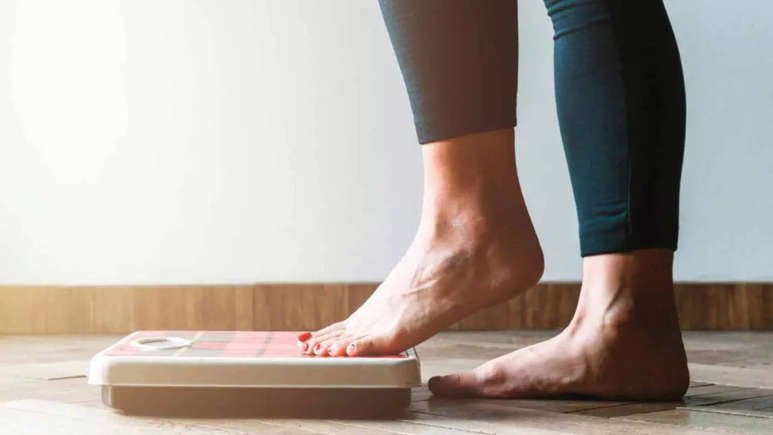
Short sleep alters appetite hormones: low leptin (satiety) and high ghrelin (hunger).
-
Increases risk of obesity and type 2 diabetes.
-
Long-term studies show those sleeping under six hours are far more likely to have elevated BMI.
❤️ Heart & Blood Vessels

-
Less than six hours of sleep raises risk of atherosclerosis (artery plaque).
-
Linked to high blood pressure, stress hormones, and inflammation.
-
Sleep is when the heart repairs; cutting it short leaves vessels strained.
🧠 Brain, Cognition & Mood

-
Sleep deprivation leads to toxin build-up in the brain.
-
Increases risk of cognitive decline and dementia.
-
Short-term effects: poor memory, slower reaction time, impaired judgment.
-
Strongly associated with depression and anxiety.
🛡️ Immunity & Inflammation

-
Less than six hours disrupts hundreds of immune-related genes.
-
Body stays in a stressed, inflamed state.
-
Greater vulnerability to infections and slower recovery.
🔬 Hormones, Growth & Repair

-
Sleep is essential for growth hormone release, thyroid regulation, and tissue repair.
-
Sleep loss weakens bones, muscles, and slows healing.
📉 Long-Term Risks & Mortality

-
Both very short and very long sleep durations raise death risk.
-
Adults sleeping five hours or less face a 15% higher risk of all-cause mortality.
🚗 Daily Performance & Safety

-
Sleep loss causes fatigue, poor coordination, and slower decision-making.
-
Increases risk of accidents at work, on the road, and in daily life.
-
Reliance on caffeine worsens the cycle by disturbing sleep further.
🌙 What You Can Do

Sleep is non-negotiable. To restore healthy patterns:
-
Stick to consistent bed and wake times.
-
Limit screens and bright light before bed.
-
Keep your room dark and cool.
-
Avoid heavy meals, caffeine, and alcohol close to bedtime.
If you still feel unrested despite these steps, consult a healthcare provider — sleep disorders like apnea or chronic insomnia may be the cause.
Share
What's Your Reaction?
 Like
0
Like
0
 Dislike
0
Dislike
0
 Love
0
Love
0
 Funny
0
Funny
0
 Angry
0
Angry
0
 Sad
0
Sad
0
 Wow
0
Wow
0