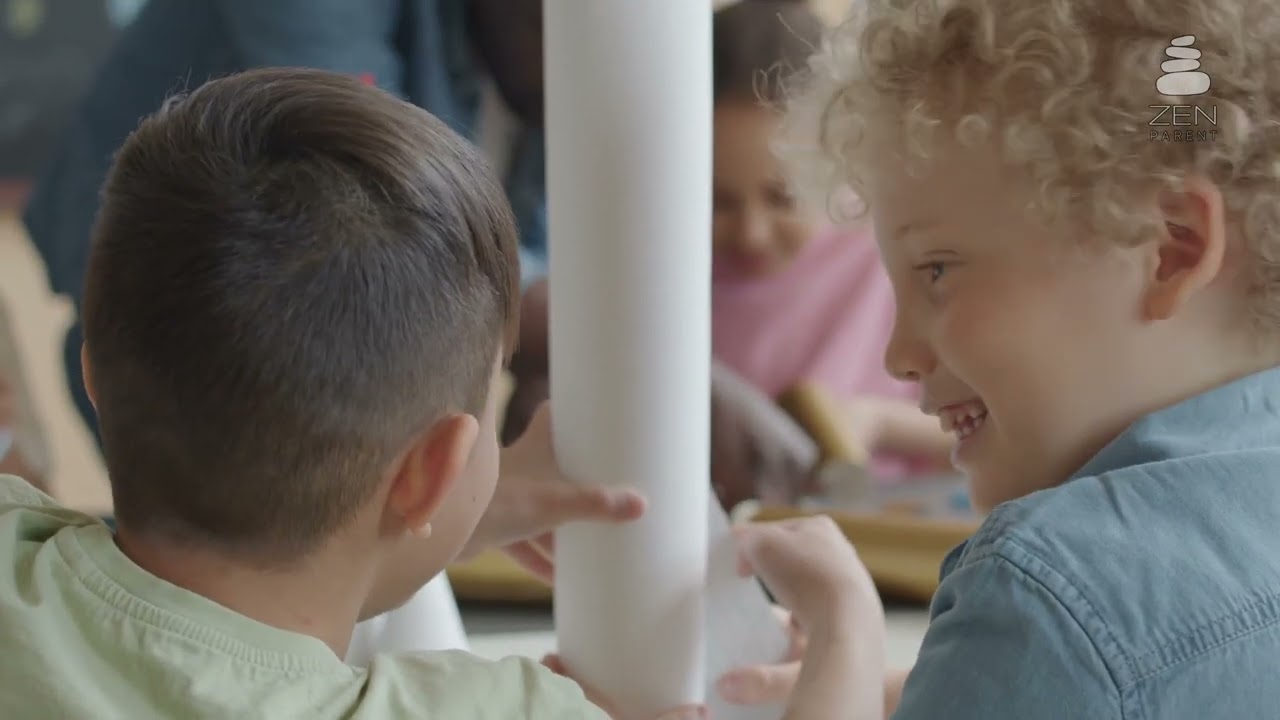
6 Types of People Children Should Avoid Befriending — And How to Find True Friends
Not all friendships are healthy. Children should avoid friends who constantly compete, mock others, disappear during tough times, control decisions, spill secrets, or encourage breaking rules. True friends are supportive, loyal, respectful, and trustworthy, helping children build confidence and happiness.

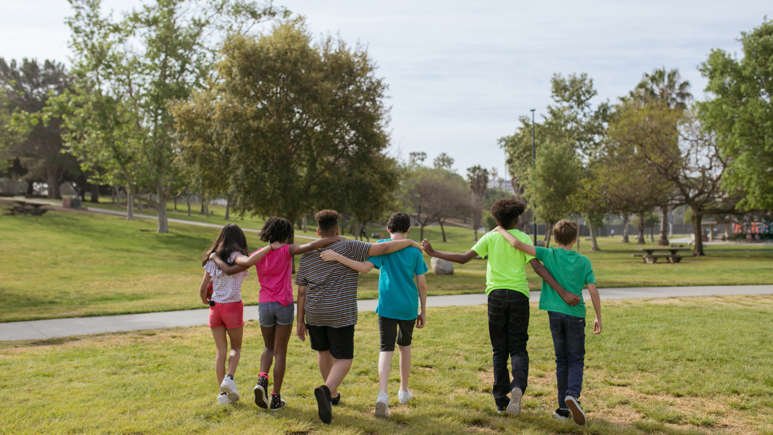
Friendship is one of the most important parts of childhood. It brings laughter to lunch breaks, secrets to school corridors, and dreams to evenings. But not every smiling face is a true friend. Some friendships can quietly harm a child’s confidence, peace of mind, and emotional growth. Recognising unhealthy behaviours early helps children choose relationships that nurture rather than drain them. Here are six types of people children should be cautious about befriending:
1. The Constant Competitor

While healthy competition can be motivating, some children turn everything into a contest—grades, games, or even eating. This constant need to “win” creates stress and makes others feel inadequate, robbing friendship of joy.
2. The One Who Mocks Others
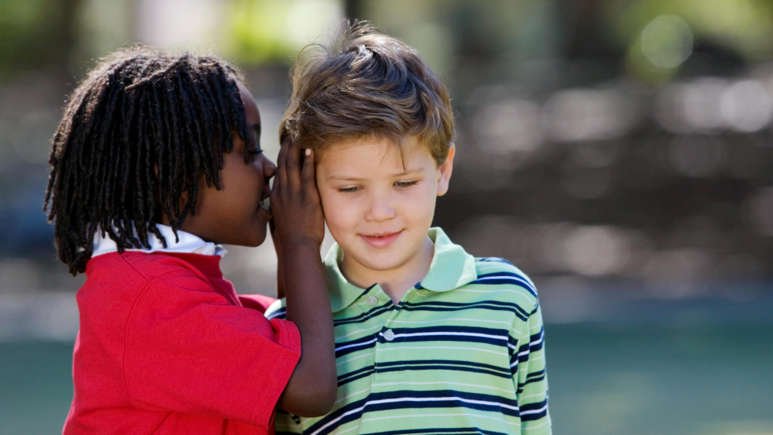
Humour is wonderful, but not when it comes at someone else’s expense. Friends who tease about looks, families, or mistakes may seem funny at first, but their jokes hurt over time. True friends never make others feel ashamed for a laugh.
3. The Fair-Weather Friend
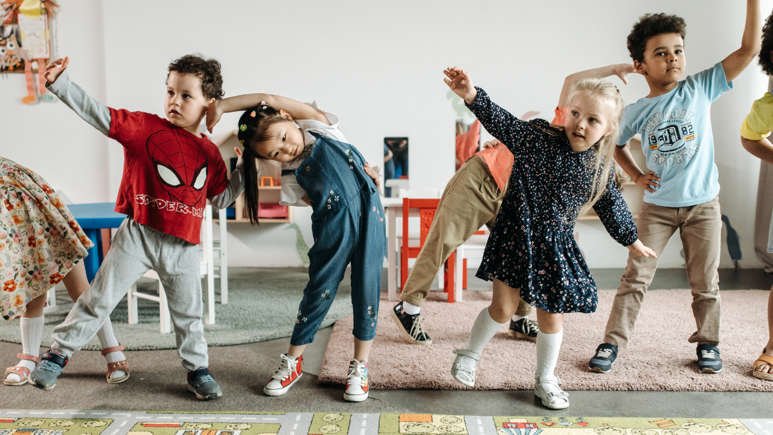
Some children disappear when times get tough—during disagreements, bullying, or uncomfortable situations. They’re present for fun but absent during challenges. Real friendship means standing by each other, even in difficult moments.
4. The Controlling Leader
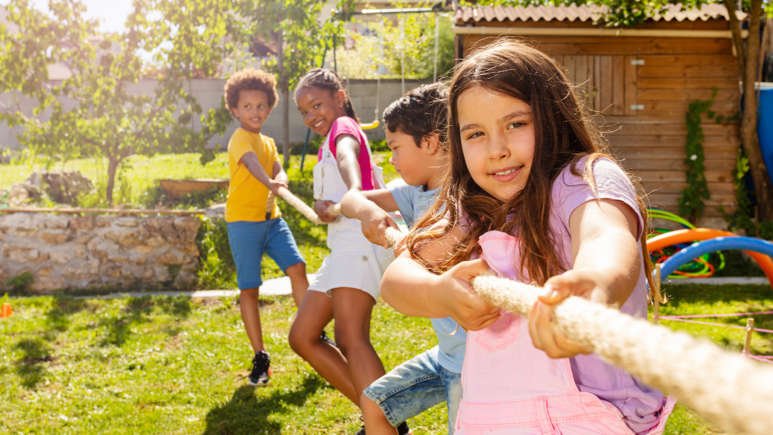
Leadership is positive when it inspires, not when it dictates. Friends who always decide what to play, who to talk to, or how to behave create pressure. Over time, this control can silence individuality and force children to change themselves just to fit in.
5. The Secret Spiller

Trust is the foundation of friendship. Children who share private thoughts or secrets for attention break that trust. Once betrayed, it’s hard to rebuild, and such friendships often leave children feeling unsafe and guarded.
6. The Rule Breaker
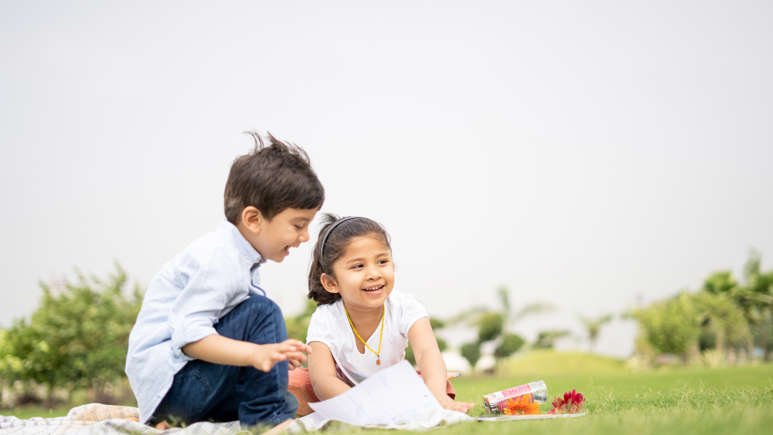
Curiosity is natural, but reckless behaviour—lying to teachers, sneaking around parents, or mocking safety rules—can lead to trouble. Friends who encourage breaking rules may drag others into risky situations they never intended.
🌱 How to Make True Friends
True friends are those who bring comfort, respect, and loyalty. They celebrate achievements without comparison, laugh without hurting, stay during hard times, respect individuality, protect secrets, and encourage safe fun. These are the friendships that help children grow with confidence and joy.
Share
What's Your Reaction?
 Like
0
Like
0
 Dislike
0
Dislike
0
 Love
0
Love
0
 Funny
0
Funny
0
 Angry
0
Angry
0
 Sad
0
Sad
0
 Wow
0
Wow
0