
7 Skin Changes That May Signal Uncontrolled Diabetes
Uncontrolled diabetes often shows up through skin changes like shin spots, dark patches, or slow-healing wounds. These signs act as early warnings of poor blood sugar control. Timely medical attention can prevent serious complications.

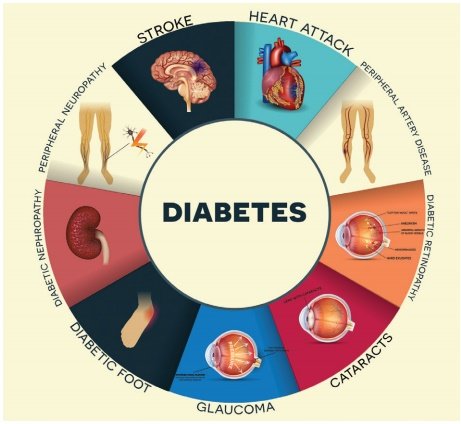
Diabetes is a fast-growing chronic condition worldwide, and one of its overlooked warning signs often shows up on the skin. Elevated blood sugar doesn’t just affect internal organs — it can reveal itself through visible changes. Spotting these early can help prevent serious complications.
Here are seven skin-related symptoms that may indicate poor blood sugar control:
1. Shin Spots (Diabetic Dermopathy)
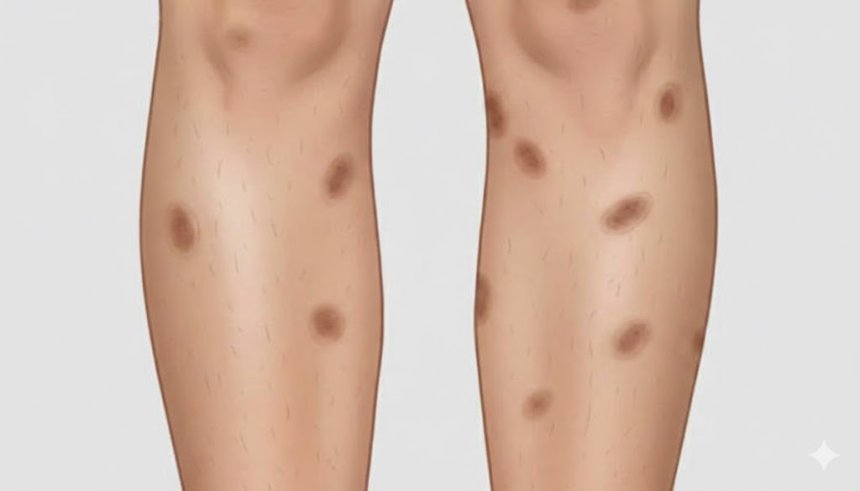
Brown or reddish oval patches on the shins, often mistaken for age spots, can be an early sign of diabetes. They are painless but should not be ignored.
2. Thickened or Tight Skin
Excess sugar can cause collagen buildup, making skin feel hard and less elastic. This condition, called scleredema diabeticorum, usually appears on the neck, shoulders, or upper back.
3. Slow-Healing Cuts or Ulcers
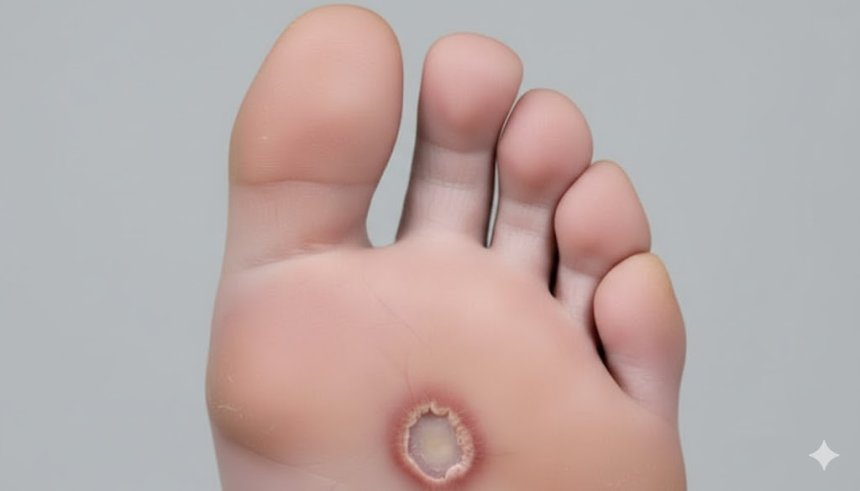
High glucose levels damage nerves and restrict circulation, especially in the feet. Even small wounds may heal very slowly, sometimes leading to ulcers or severe infections.
4. Sudden Small Bumps
Uncontrolled diabetes can raise triglyceride levels, causing tiny bumps that may turn yellowish. These usually fade once blood sugar is managed.
5. Darkened Skin in Folds

Thick, dark patches around the neck, armpits, or thighs may indicate insulin resistance. Known as acanthosis nigricans, it is often linked to diabetes or prediabetes.
6. Yellow Deposits Near Eyelids
Soft, yellowish patches called xanthelasma can appear around the eyes, often linked to high cholesterol and triglycerides.
7. Multiple Skin Tags

While harmless on their own, numerous skin tags on the neck, armpits, or eyelids may be associated with Type-2 diabetes risk.
Your skin can act as an early warning system. If you notice these changes, consult a doctor promptly. Timely diagnosis and blood sugar management can prevent long-term complications.
Share
What's Your Reaction?
 Like
0
Like
0
 Dislike
0
Dislike
0
 Love
0
Love
0
 Funny
0
Funny
0
 Angry
0
Angry
0
 Sad
0
Sad
0
 Wow
0
Wow
0