Designing Play: Toy Industry Trends for 2026
As the toy industry continues to evolve, 2026 is shaping up to be a year…

As the toy industry continues to evolve, 2026 is shaping up to be a year where design becomes more intentional, more flexible, and more emotionally connected to the consumer. The last few years have taught manufacturers and designers an important lesson: toys don’t just need to entertain — they need to resonate. With shifting family dynamics, rapid technology adoption, and a renewed appreciation for creativity and wellbeing, toy design is moving in thoughtful new directions.
Here are some of the design trends expected to influence the toy category in 2026.
Modular Play Takes Center Stage
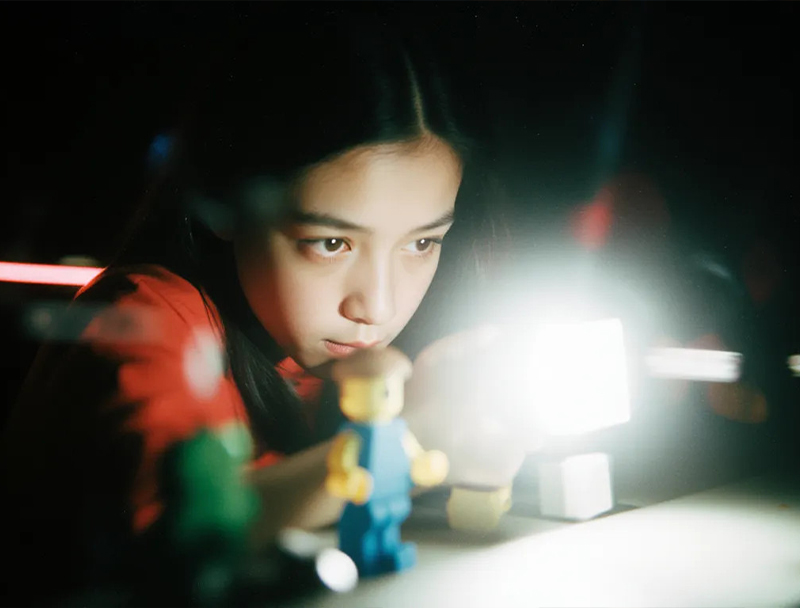
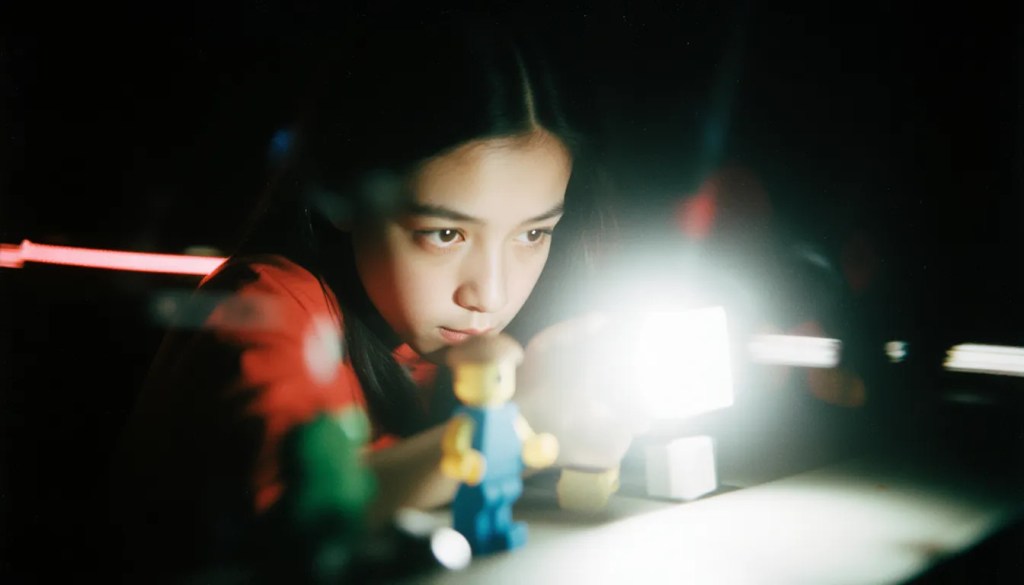
Toys that can be built, rebuilt, expanded, and reimagined are gaining traction — and for good reason. Modular design encourages longevity, repeat play, and creativity, all while offering strong value to parents. In 2026, expect to see more toys designed as systems rather than single-use items. Whether it’s construction sets, figures with interchangeable components, or play environments that grow over time, modularity supports storytelling and adaptability, extending a toy’s life well beyond the first unboxing.
Softer Aesthetics, Warmer Palettes
After years of bold neons and high-contrast color schemes, designers are leaning into calmer, warmer visuals. Earth tones, muted pastels, and tactile finishes are becoming more common, especially in toys aimed at early learners and family play. This shift reflects broader lifestyle trends toward mindfulness and balance, and it helps toys feel more integrated into modern homes rather than visually competing with them.
Analog Play with a Digital Assist
While fully digital toys still have their place, 2026 design trends favor a hybrid approach. Toys are increasingly being designed as physical-first experiences, with optional digital layers that enhance rather than dominate play. Think companion apps that guide challenges, unlock stories, or track progress — without requiring constant screen engagement. The emphasis is on play that starts in the real world and uses technology sparingly and purposefully.
Customization as a Standard Feature
Personalization is no longer a novelty — it’s an expectation. From customizable characters and accessories to toys that allow kids to design their own elements, 2026 designs are empowering players to make toys feel uniquely theirs. This trend also opens the door to collectible expansion, aftermarket accessories, and brand loyalty that extends across multiple product lines.
Inclusive Design Done Thoughtfully
Representation in toys continues to evolve, but the focus is shifting from checking boxes to authentic, thoughtful inclusion. Designers are paying closer attention to body diversity, ability representation, and cultural nuance — not as a marketing angle, but as a core design philosophy. In 2026, inclusive toys won’t feel labeled or segmented; they’ll simply feel natural, relatable, and accessible to a broader audience.
Sustainability That’s Visible — Not Just Claimed
Eco-conscious design is moving beyond messaging and into tangible execution. Consumers are becoming more savvy, and they want to see sustainability reflected in materials, packaging, and product longevity. Expect toys with fewer mixed materials, easier recycling paths, and designs that encourage keeping rather than discarding. Sustainability in 2026 is less about buzzwords and more about smart, practical decisions that parents can feel good about.
Story-Driven Worlds Over Standalone Products
Rather than releasing isolated toys, brands are increasingly designing entire play universes. Characters, environments, and narratives are being developed together, allowing kids to build stories across multiple products. This approach supports deeper engagement and makes room for content extensions across publishing, digital, and experiential spaces. In 2026, strong world-building will be just as important as the toy itself.
Insights from the Field
According to Miguel Ortuno, Creative Director at Blue Bot Advertising, “Design in 2026 is about play that feels alive — toys that grow with the child, invite curiosity, and connect emotionally. We’ve moved past gimmicks and are finally leaning into thoughtful design that respects both the child and the parent. The most compelling toys this year will be those that surprise you with depth and keep you coming back to play again.”
Looking Ahead
Toy design in 2026 is less about chasing trends and more about responding to how families actually live, play, and connect. The most successful products will balance creativity with practicality, innovation with restraint, and fun with purpose. As the industry continues to adapt, one thing remains clear: great design isn’t about doing more — it’s about doing what matters better.

Miguel Ortuno
Creative Director | Blue Bot Advertising | Global Toy News
miguel@bluebotadvertising.com
www.bluebotadvertising
Bright. Bold. Fun.
Share
What's Your Reaction?
 Like
0
Like
0
 Dislike
0
Dislike
0
 Love
0
Love
0
 Funny
0
Funny
0
 Angry
0
Angry
0
 Sad
0
Sad
0
 Wow
0
Wow
0