The Psychology Behind People Who Love Staying at Home
Psychology shows that people who love staying at home are not antisocial or lazy. Instead, they seek emotional safety, recharge through solitude, and cultivate rich inner worlds filled with creativity and imagination. Home provides stability, helps regulate emotions, and fosters contentment without external validation. In modern life, staying in is often a conscious act of self‑love and peace.

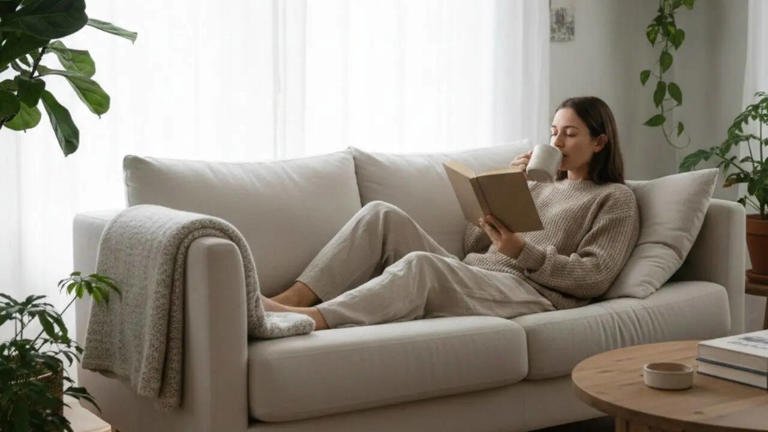
For years, preferring to stay at home has been misunderstood — often mistaken for laziness, antisocial behavior, or disconnection from the world. Yet psychology paints a very different picture. Those who genuinely enjoy being at home are not avoiding life; they are engaging with it in a way that feels most natural and nourishing.
For many, home is not dull but deeply fulfilling. At its core, this preference reflects where a person draws energy. While many home‑lovers lean toward introversion, this doesn’t necessarily mean shyness or anxiety. Introverts simply recharge through solitude. After social interactions, they need quiet time to reset, and home becomes the safe space where they can slow down, process thoughts, and regain balance.
Emotional Safety
A key psychological factor is the need for emotional security. The outside world can feel overstimulating, while home offers control over environment — lighting, sounds, pace, and silence. This sense of control reduces stress and creates comfort.
A Rich Inner World
People who love staying at home often have active inner lives. They enjoy reading, cooking, journaling, films, music, or simply reflecting. Psychologists link this to creativity and imagination, as limited external distractions allow deeper engagement with inner thoughts.
Emotional Regulation
Familiar surroundings help regulate emotions, especially for those sensitive to sensory overload. Simple routines — morning tea, a favorite chair, evening walks — provide stability and grounding.
Contentment and Self‑Love
Modern psychology also connects staying at home with contentment. Those who enjoy solitude feel less pressure to seek external validation. Silence becomes fulfilling, allowing them to feel complete without constant stimulation.
In today’s fast‑paced world, choosing to stay in is not about hiding. It is a quiet act of self‑love — a way to find peace, safety, and meaning within one’s own space.
Share
What's Your Reaction?
 Like
0
Like
0
 Dislike
0
Dislike
0
 Love
0
Love
0
 Funny
0
Funny
0
 Angry
0
Angry
0
 Sad
0
Sad
0
 Wow
0
Wow
0